
The Big Fix — Background and Themes
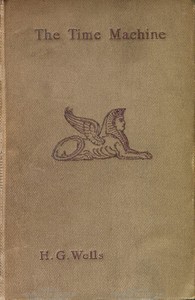
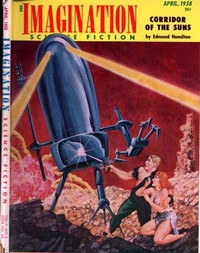
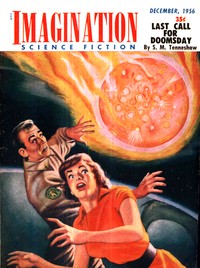
Edition facts
The story opens with a poker game where every player is a telepath, and the real contest is not the cards but the mental shielding and deception. Wally Wilson holds a pat straight flush but thinks "full house" to mislead opponents who can read minds. The game is a layered battle of wits: Phil Howland's weak shield, The Greek's impenetrable block, and Chicago Charlie's untrustworthy thoughts. The arrival of Tomboy Taylor, cigar-smoking and sharp-tongued, breaks the standoff and sets a larger scheme in motion.
Mental Poker: Diction and Deception
The opening poker scene establishes the story's central conceit: telepathy as a competitive tool. Smith's diction is colloquial and sharp, with phrases like "velocity of horse meat" and "thionite dream" that ground the fantastic in a hard-boiled vernacular. The narrator, Wally Wilson, describes his own mental play: "I was thinking 'full house' but I was betting like a weak three of a kind." This layering of thought and action creates a constant tension between what is shown and what is hidden. The other players' minds are described in terms of shields and blocks, turning the poker table into a battlefield of psychic jockeying.
Tomboy Taylor: Voice and Presence
Tomboy Taylor enters without a knock, smoking a Pittsburgh stogie, and immediately commands the room. Her dialogue is blunt and authoritative: "You, Wally Wilson, get these grifters out of here. I got words." The description of her is vivid and specific: "The only thing that kept her from being a thionite dream was the Pittsburgh stogie that she insisted upon smoking." Her presence shifts the power dynamics; even the hardened telepaths obey when she invokes Barcelona. Smith uses her cigar as a recurring motif, a symbol of her refusal to conform to expectations.
Telepathic Banter: The Barcelona Exchange
The mental conversation between Wally and Barcelona is a highlight of Smith's dialogue craft. It is a rapid-fire exchange of insults and double meanings, conducted entirely through thought. Barcelona's tone is mealymouthed and manipulative: "Now, who's been saying anything about a fix, Wally?" Wally's internal retorts are sharp: "The people who have most recently been associated with your clever kind of operator." The exchange reveals the story's central conflict—a fix on a horse race—but also showcases Smith's ability to convey character through mental voice. Barcelona's hypocritical gab is designed to make Wally lose control of his mental blanket, a tactic that underscores the psychological stakes.
Structure and Setting: The Countdown to Derby Day
The story is structured around a looming deadline: Derby Day, mentioned early as "a couple of weeks before the Derby." This temporal marker creates urgency. The setting shifts from the poker room to a broader conspiracy involving bookmakers, go-betweens, and police. Smith uses the countdown to heighten tension, as Wally mentally notes "the days off to Derby Day." The setting is urban and gritty, populated by grifters, telepaths, and cigar-smoking women. The physical details—poker chips, stogies, mental noise—ground the speculative elements in a recognizable world of crime and gambling.
Readers attuned to dialogue and psychological games will find The Big Fix a compact exercise in voice and misdirection. Smith's telepathy is not a superpower but a tool for bluff and counter-bluff, making every conversation a potential trap. Pay attention to who shields what, and who speaks aloud versus mentally—the gaps between thought and word are where the real story lies.